i have a new field now,,,
why do i call it as field??
cuz i need a place for sharing everything in my mind,,,
its better than sharing with people,,,i think,,
cuz, im a type of person who only need to share,,,
my listeners do not have to give me advices,,,
moreover, i seldom do what are they have advised me to...he
Sunday, March 11, 2012

Sunday, August 7, 2011
my true love
kami mulai dekat melalui facebook,,,dari situs itu,,kami mulai pertemanan kami,,,,
dri sana dia sudah bilang kalau suka dg gaya q,,,
dya tertarik dg sifat q xg beda dari cewek^ laen,,,
obrolan kami selalu nyambung layaknya teman xg sudah lama kenal,,,
tidag begitu lama setelah itu,,dya menghubungi q melalui sMs,,,
dya xg terlebih dulu menghubungi q,,,,
@ that time,,i still did not have any special feEling,,,,
kami bersmsn hanya sekedar sebatas teman,,,,
makin lama kami berhubungan melalui sMs,,kami pun mulai sering jalan,,,
di awal perkenalan kami,,dya mengaku sudah punya pacar,,,
perasaAn q pun biasa^ saja pada saAt itu,,,,
kemudian dya bilang kalo sebenarnya dya ga punya pacar,,pengakuan xg terdahulunya itu cuman bohong belaka,,,
perasAn q masih biasa^ saja waktu itu,,,,,
tetapi,,karena seringnya kami ngobrol,,bertukar pikiran,,,dan ketemu,,perasAn suka itu mulai tumbuh di diri q,,,
rasa sayang itu mulai muncul,,,
walaupun aq baru sebentar mengenalnya,,,aq sayang dya,,,
ketika rasa itu semakin kuat,,aq pun mengatakan hal itu dg jujur,,,
ternyata,,kehadiran q untuknya pun sudah mulai ga bisa d'bilang teman biasa baginya,,,
tetapi,,kemudian,,dg penyesalan dya mengatakan kenyataAn itu,,,
kenyataAn bahwa dya sebenarnya berpacaran dg wanita itu,,wanita xg tidag laen adalah teman q juga,,,
aq sangad shock saAt itu,,
hal xg paling q sesalkan adalah,kenapa harus wanita itu?????
kenapa harus teman q juga????
teman xg saAt itu cukup dekat dg q,,,
T_______________________T
tetapi,,kami sudah tidag bisa saling menjauh saAt itu,,,
dya tidag mau ketika aq menyuruhnya pergi,,,
dan aq pun tidag bisa pergi terlebih dahulu dari dya,,,
detik berganti detik,,,
menit berganti menit,,,
jam berganti jam,,,
hari berganti hari,,,
kami pun menjadi sangad dekat seiring dg seringnya kami bersama,,,walaupun lebih sering bersama melalui sMs,,,
aq sudah sangad sayang dg nya,,,
dan dya pun menyayangi aq layaknya seorang kekasih,,,
sampai suatu waktu,,,
wanita itu mengetahui hubngan kami xg sudah melewati batas pertemanan,,
dya pun marah dg q,,,,
rasa sayang q pada lelaki itu telah membutakan q,,,
aq tidag peduli dg kemarahan wanita itu,,,
aq tidag peduli kalo dya tidag mengangGap q teman lage,,,
karena aq jg sudah cemburu dg nya,,,
cemburu karena dya lah kekasih sebenarnya dari lelaki xg sangad q cinta,,,
TT_____________________TT
kami pun tetap melanjutkan hubungan kami,,,
dya bilang,,aq bukan selingkuhanx,,
aq adalah bagian dari dirinya xg tag bisa lepas dari nya,,,
dan aq percaya itu,,,
karena seorang wanita itu perasaAnNya kuat,,,
wanita dapat merasakan rasa sayang xg sebenarnya atau tidag dari seorang lelaki,,,
itu dapat dari sentuhan dan cara lelaki memperlakukan seorang wanita,,,
dari sentuhan dan sikap itu,qt dapat mengetahui mana rasa sayang xg sebenar^nya,dan rasa sayang xg sudah memudar,,,
dan dari dya,,aq merasakan rasa sayang itu begitu kuat,,,
sama kuatnya dg rasa sayang q terhadap dya,,,
masalah kami menjadai sangad rumit,,
karena dya dan wanita itu sudah berpacaran dalam waktu xg lama,dan sudah dekat dg keluarga masing^,,,sehingGa sulit untuk berpisah,,,
itulah xg disampaikanx pada q,,,,
hati q sanagd miris saAt itu,,,
aq sangad takut,,,
takut ditingGalkan lelaki xg sangad q cinta untuk pertama kalinya,,,
tetapi aq mencoba untuk bertahan,,
dan pertahanan q ini telah berlangsung selama lebih dari 6 bulan,,,
aq mencintainya dg segenapa persaAn q,,
aq menyayanginya dg segenapa persaAn q,,
tidag pernah aq memiliki rasa cinta dan sayang sebesar ini kepada seorang lelaki,,,
aku menyayanginya,,,,
aku mencintainya,,,,
saAt ini,,hanya kepercayaAn akan takdir Allah SWT lah xg bisa membuat q bertahan dalam kesakitan terhadap kenyataAn hubungan mereka,,,
setiap waktu aq berdo'a kepada Allah SWT untuk masalah q ini,,,
hanya menungGu waktu saja untuk menghadapi apa xg ditakdirkan oleh Allah SWT untuk q dalam hal ini,,,,
jodoh,,rezeki,dan umur tu d tangan Allah,,,semua sudah di atur dalam xg namax takdir,,Allah bisa mengubah apapun,khususnya apa xg sudah qt rencanakan,hanya dalam beberapa detik,,,,dan apapun hasilnya nanti,qt hanya bisa menerimax,
yaA Allah,,,,
hamba sangad mencintainya,,yaa Allah,,,
hamba sangad menyayangnya,yaa Allah
apabila dya adalah jodoh xg engkau berikan kepada hamba melalui kedekatan kami ini,dekatkanlah dya lagi, yaa allah,,,,
hamba mencintainya sangad,,,
hamba menyayanginya sanagd,,,
hamba ingin hidup bersama dg lelaki xg hamba sayangi,,,
lancarkanlah jalan kami,yaa Allah,,,,
lancarkanlah jalan kami,yaa Allah,,,,
lancarkanlah jalan kami,yaa Allah,,,,
aamiin yaa rabbalalamiin~
("')( ToT )("')
Saturday, March 12, 2011
the end of doraemon...T.T
DORAEMON TAMAT (sedih bgt kisahnya )...T.T
AKU INGIN BEGINI
AKU INGIN BEGITU ...
INGIN INI ITU BANYAK SEKALI .....

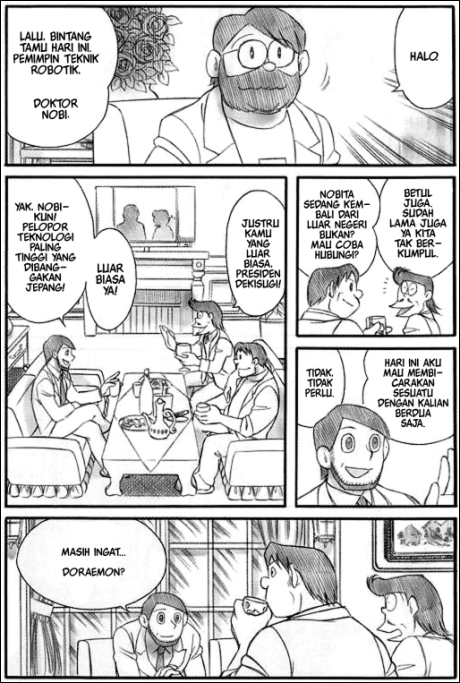
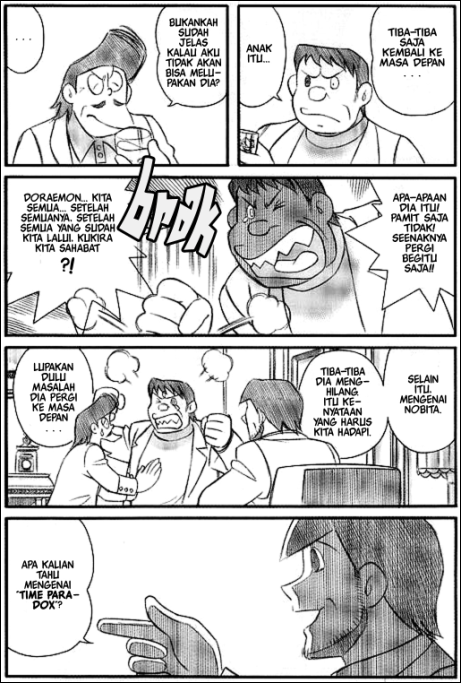
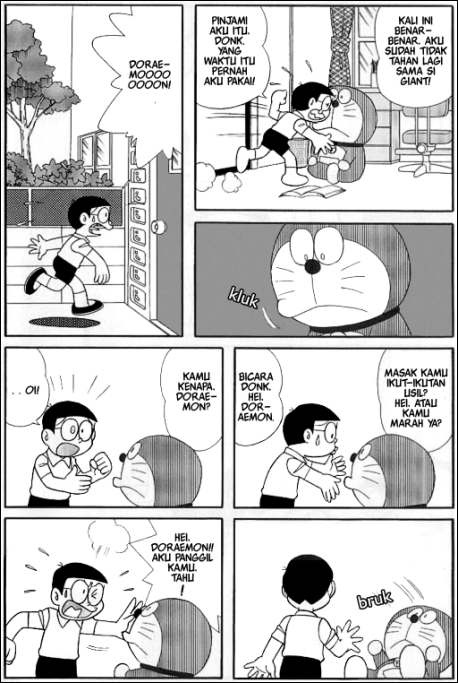
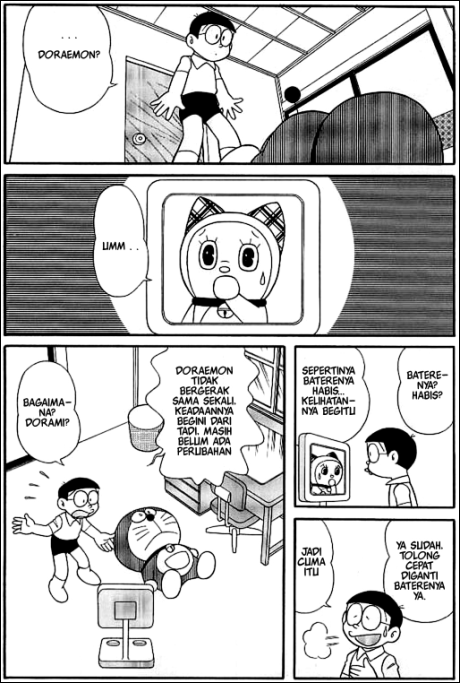
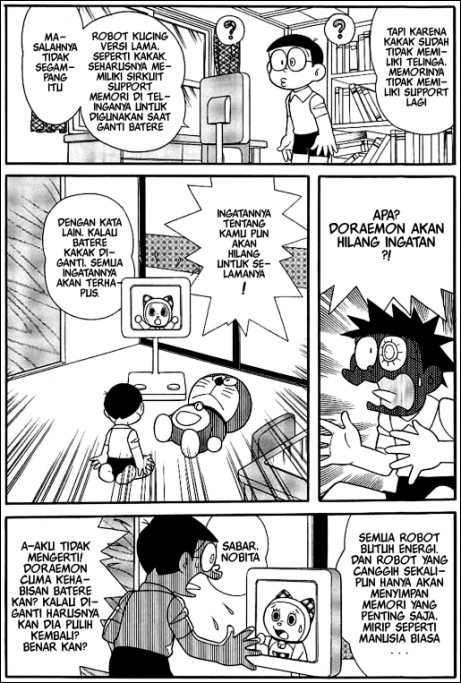
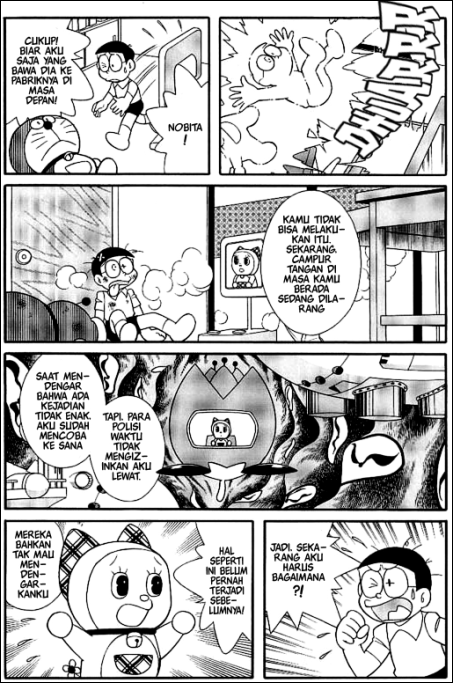

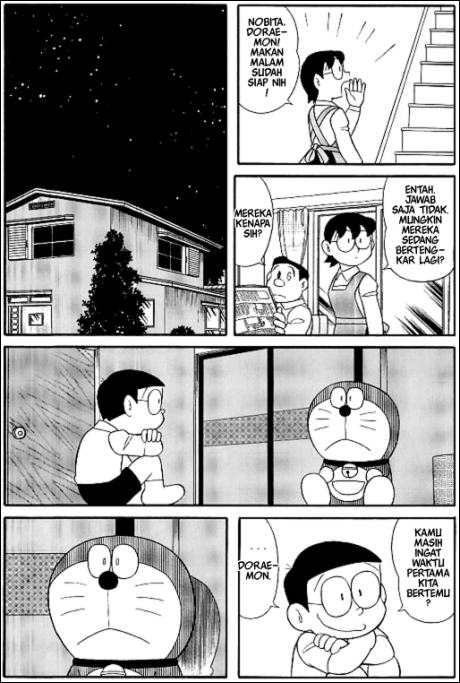
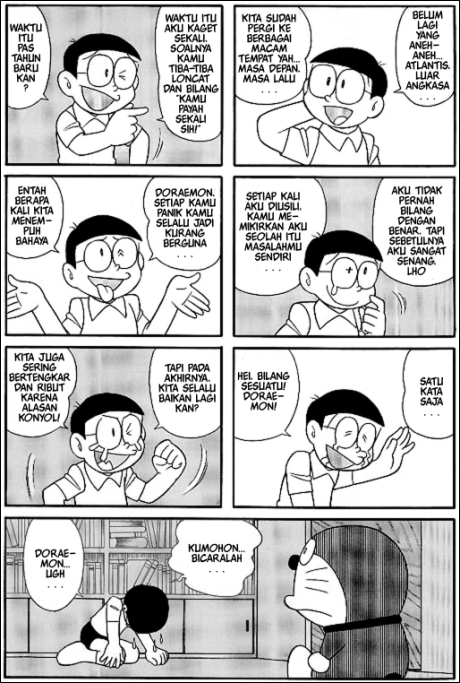
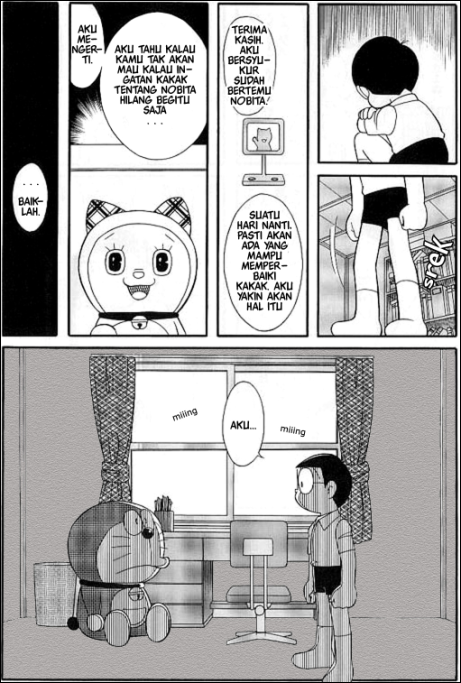
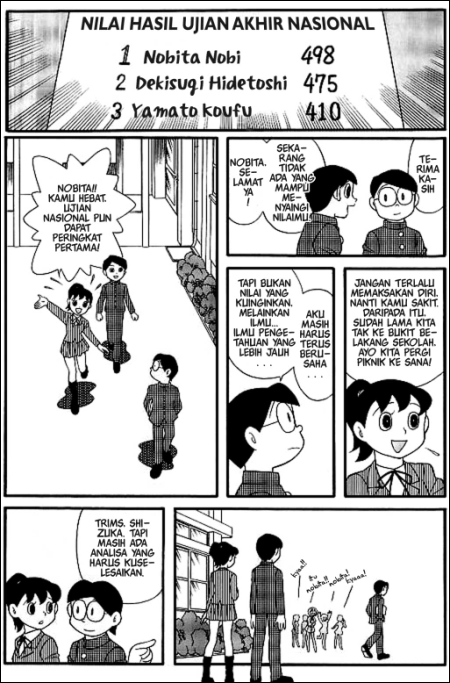
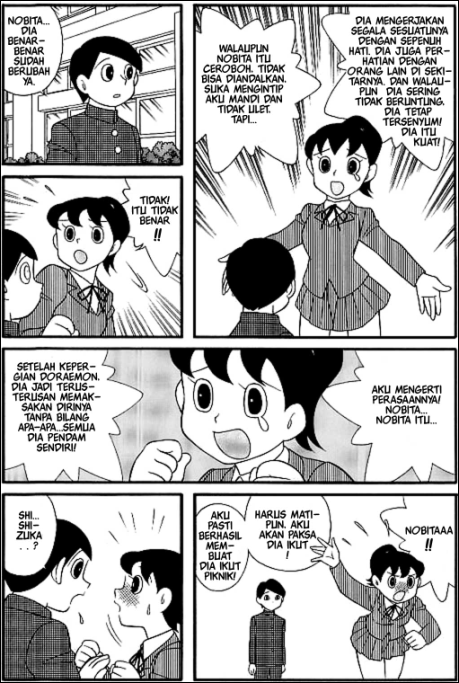
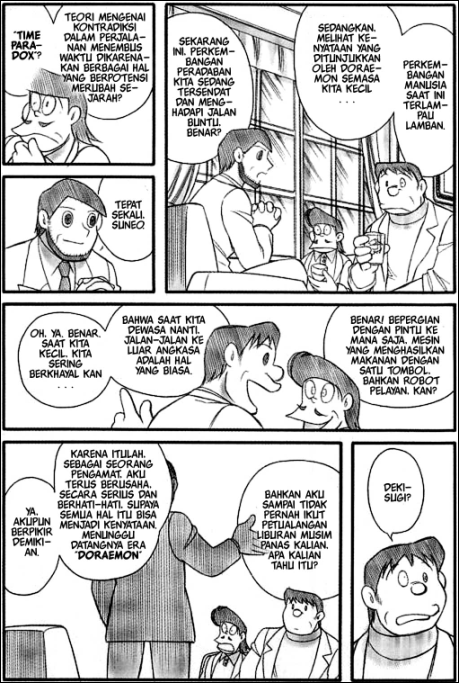


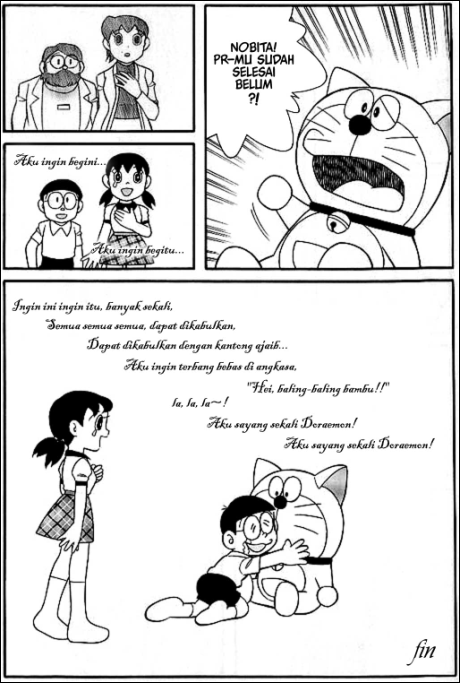
huweeeeeeeeeeeee~~
sayoonara dora-chan~
( >,,<)/~
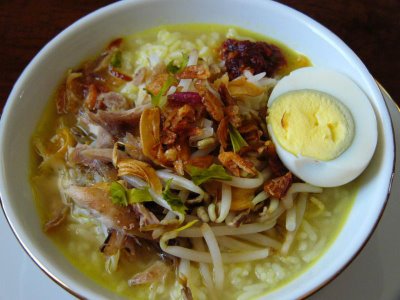
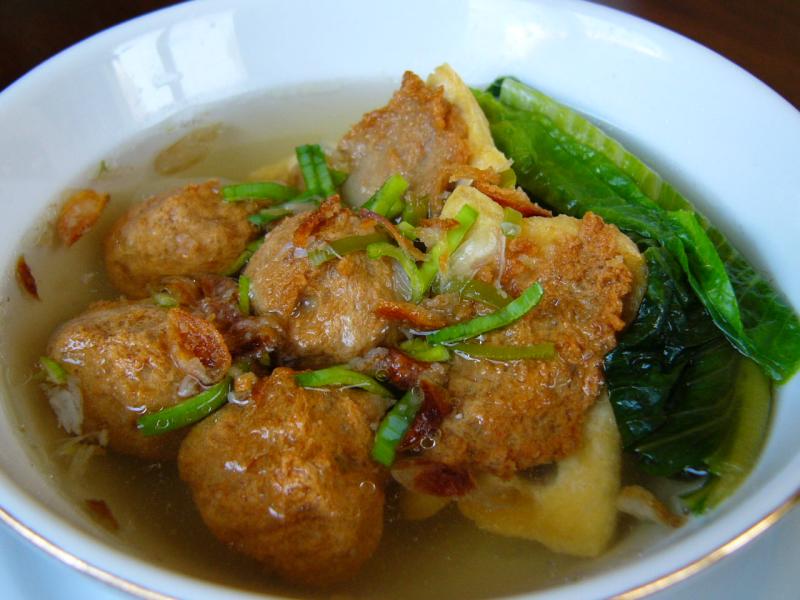
8 Makanan Favorit Di Indonesia Yang Wajib DiCoba
1. Soto
2. Sate

3. Ayam Bakar

4. Ayam Kremes

5. Nasi Goreng

6. Bakso
7. Rendang

8. Mie Ayam

2. Sate
3. Ayam Bakar
4. Ayam Kremes
5. Nasi Goreng
6. Bakso
7. Rendang
8. Mie Ayam
yummy~~~~~~~~~~~~
:-D"""""""""""""""""
Mesjid Kobe Selamat dari Gempa Jepang

Kobe Mosque merupakan masjid pertama di Jepang. Masjid ini dibangun tahun 1928 di Nakayamate Dori, Chuo-ku. Kobe berarti gate of God atau gerbang Tuhan.
Tahun 1945, Jepang terlibat perang Dunia Kedua. penyerangan Jepang atas pelabuhan Pearl Harbour di Amerika telah membuat pemerintah Amerika memutuskan untuk menjatuhkan bom atom pertama kali dalam sebuah peperangan.
Dan Jepang pun kalah. Dua kotanya, Nagasaki dan Hiroshima dibom Atom oleh Amerika. Saat itu, kota Kobe juga tidak ketinggalan menerima akibatnya. Boleh dibilang Kobe menjadi rata dengan tanah.
Ketika bangunan di sekitarnya hampir rata dengan tanah, Masjid Muslim Kobe tetap berdiri tegak. Masjid ini hanya mengalami keretakan pada dinding luar dan semua kaca jendelanya pecah. Bagian luar masjid menjadi agak hitam karena asap serangan bom. Tentara Jepang yang berlindung di basement masjid selamat dari ancaman bom, begitu juga dengan senjata-senjata yang disembunyikannya. Masjid ini kemudian menjadi tempat pengungsian korban perang.
Pemerintah Arab Saudi dan Kuwait menyumbang dana renovasi dalam jumlah yang besar. Kaca-kaca jendela yang pecah diganti dengan kaca-kaca jendela baru yang didatangkan langsung dari Jerman. Sebuah lampu hias baru digantungkan di tengah ruang shalat utama. Sistem pengatur suhu ruangan lalu dipasang di masjid ini.Sekolah yang hancur akibat perang kembali direnovasi dan beberapa bangunan tambahan pun mulai dibangun. Umat Islam kembali menikmati kegiatan-kegiatan keagamaan mereka di Masjid Muslim Kobe.
Krisis keuangan sering menghampiri kas komite masjid. Pajak bangunan yang tinggi membuat komite masjid harus mengeluarkan cukup banyak biaya dari kasnya. Beruntung, banyak donatur yang siap memberikan uluran tangannya untuk menyelesaikan masalah keuangan pembangunan dan renovasi masjid ini. Donasinya bahkan bisa membuat Masjid Muslim Kobe menjadi semakin berkembang.
Kekokohan Masjid Kobe diuji lagi dengan Gempa Bumi paling dahsyat tahun 1995. Tepatnya pada pukul 05.46 Selasa, 17 Januari 1995. Gempa ini sebenarnya bukan hanya menimpa Kobe saja, tapi juga kawasan sekitarnya seperti South Hyogo, Hyogo-ken Nanbu dan lainnya.
Para ahli menyebutkan bahwa gempa itu disebabkan oleh tiga buah lempeng yang saling bertabrakan, yaitu lempeng Filipina, lempeng Pasifik, dan lempeng Eurasia. Meski hanya berlangsung 20 detik, namun gempa ini memakan korban jiwa sebanyak 6.433 orang, yang sebagian besar merupakan penduduk kota Kobe. Selain itu gempa Kobe juga mengakibatkan kerusakan besar kota seluas 20 km dari pusat gempa.
Gempa bumi besar Hanshin-Awaji merupakan gempa bumi terburuk di Jepang sejak Gempa bumi besar Kanto 1923 yang menelan korban jiwa 140.000 orang. Namun hingga kini masjid Kobe tetap berdiri kokoh dan tegak, seakan tidak tergoyahkan meski didera berbagai bencana. Semoga dakwah Islam di Jepang setegar masjid ini.
Gempa bumi besar Hanshin-Awaji merupakan gempa bumi terburuk di Jepang sejak Gempa bumi besar Kanto 1923 yang menelan korban jiwa 140.000 orang. Namun hingga kini masjid Kobe tetap berdiri kokoh dan tegak, seakan tidak tergoyahkan meski didera berbagai bencana. Semoga dakwah Islam di Jepang setegar masjid ini.
Thursday, October 14, 2010
my 28oCt article
Why Teachers Should Use Timed Reading in ESL Classes
Jeremy Browning
jescotty [at] yahoo.com
Nagoya University of Foreign Studies (Nagoya, Japan)
Students are faced with a bombardment of information need to be better prepared for the demands that reading in society places on them. This paper explores the importance of gaining higher reading speed via timed reading and how strategic application is important for its success. When teachers apply timed reading to their program, they better prepare their students for the fast-paced world ahead of them.
Introduction
Reading is an all-important language skill that is now in more demand than in any time in our history. With the exposure of the Internet in a global arena, students need to master reading in order to understand the vast knowledge the world embraces them with. It has been said that the literate adult today is reading more in one week than their great-grandfather did in a whole year (Swalm and Kling, 1973). This fact places pressures on the student to perform at a higher level than the student before them.
It is the belief of many teaching professionals that the ESL student needs to be able to read at a level challengeable to a native speaker of English in order to keep up with the academic workload. The idea of this paper is that through the training in timed reading, the student will increase their reading speed, which will better prepared them for the challenges they will encounter when they enter the collegiate playing field (Anderson 1999). There are many reasons for implementing timed reading into a reading program and it is my wish to elaborate on some of them in this paper.
The Benefits of Faster Reading
There are many benefits in gaining a faster reading rate and Klaeser (1977) presents four positive points in this regard. The first one is the amount of time you will save when you're able to double your speed (for example). With an increase in speed, the student will be able to cover more materials than at a slower speed. Figure A illustrates the gains a student will make when their speed is increased.
This illustration shows what the gains are for students that are slow readers (150 words per minute (the average ESL student entering college)) versus students that are good readers (350 words per minute). The difference in quantity is at about 2.33 times more for the faster students. If the student increases their production to 250 WPM, they would be increasing their reading production by 67%. These are important gains for the student that will promote academic success.
The second advantage is that readers are able to concentrate better which leads to greater comprehension. Of course this area is under debate because there have been studies of students that lost comprehension when they were striving to increase their reading speed. This is usually the cause of "rushed reading" and contains little more technique than scanning. However, it is believed that through an "effective" timed reading program, students can attain an increased reading rate and comprehension.
Thirdly, with the increase in potential speed and comprehension, academic grades tend to rise as well. This is all due to the control of extra time, which allows for greater understanding.
| Timed Reading Rates | Slow Reader (150 words per minute) | Fair reader (250 words per minute) | Good Reader (350 words per minute) |
| 1 Week | 3/4 Book | 1 1/4 Books | 1 3/4 Books |
| 1 Month | 3 Books | 5 Books | 7 Books |
| 1 Year | 36 Books | 60 Books | 84 Books |
| 10 Years | 360 Books | 600 Books | 840 Books |
Figure A
Lastly and most importantly, students will enjoy the act of reading more, which promotes greater extensive reading, an added area for increased reading speed and comprehension. With increased reading rate and motivation for extended reading, students will encounter frequent and repeated vocabulary, which will transcend into other areas of language skills development.
Reading Strategies
Like any reading program, increasing reading rate is more than just opening a book and jumping into the text. Timed reading involves the use of various strategies in conjunction with in-class exercises and extensive timed reading. Timed reading isn't reading as-fast-as-you-can over a passage and simply marking the gradual improvement (if there are any). It involves reading strategies via the teacher's instruction.
Successful readers reported that they used various strategies such as reading in broad phrases, skipping inessential words, guessing from context, and continuing to read the text even when they encountered a term that they didn't know (Wallace 2001). Training in strategic use is what timed reading promotes and reflects what Devine means by, "...training enhances the metacognitive knowledge base of readers and results in improved reading performance."(Devine 1993)
Another strategy mentioned by Wallace is the ability to make informed predictions as the student progresses through the text (Goodman 1967, Smith 1971, Wallace 2001). Through making predictions, students take an interactive role in the reading process, which Blanton states is "...at the heart of literacy, formal learning, and academic success" (Blanton 1994). This interaction is stimulated by the reader's background knowledge that acts as a catalyst for text comprehension. Afflerbach researched the effects of background knowledge on readers and found that those readers who applied background knowledge or had extensive applicable prior knowledge were able to construct the main idea faster than those who didn't (Afflerbach 1990, Zhicheng 1992).
Kitao utilizes pre-reading activities to unleash knowledge the students might have about the passage, such as having them read the title, headings, and first lines of the paragraph for initial gist (Kitao 1994). Kitao also employs other strategies like scanning (for specific information), skimming (for gist), understanding the pieces of information by mentally tying them together as the student proceeds throughout the text, understanding the sequence of events/ideas in the reading, and lastly, visualizing the descriptions as the students zip through the text at a rate above rauding.
Lono utilizes different strategies to attain quick information on the thesis of what is being read by reading the first and last sentence of each paragraph, reading the introduction and conclusion, and reading transition words that may show a change in the authors thought and direction (Lono 1987).Pre-reading strategies allow students to attain an advanced idea of what the text is about, which helps increase their speed and comprehension during the timed reading process.
Phrase Reading
There is a structural technique that timed-reading instructors employ to aid in the speed of reading. This is known as Phrase Reading. This was developed because of how the eyes move across the page. When an individual reads they move across the text fixating on certain words. When a jerk in motion occurs between fixations, a saccadic motion occurs. This particular motion doesn't pick up information for the brain to process (Klaeser 1977). Klaeser states that
"a good reader does between 85-95% of his reading time fixating...5-15% percent moving from fixation to fixation. A poor reader spends more time moving and less time fixating. Why? Because a good reader makes each fixation work better for him. By seeing two or three words at each fixation, his saccadic movements are rapid jerks from phrase to phrase... the poor reader fixates on every single word, sometimes on every syllable or every letter. To become a good reader, the goal for using the eyes well is obvious: try to read two or three words at a glance"
(Klaeser 1977).
Plaister supports this idea by implementing it in his ESL program. He administers timed reading exercises and reading strategies to aid in the students speed and comprehension. He explains that, "Most of our students are word-by-word readers and, as a consequence, read at very low rates -- 125 to perhaps 150 words per minute (the average native speaker is at around 300 WPM). Evidence shows that reading by structures help native speakers gain comprehension" (Plaister 1968)
It is clear that strategies play an intricate role in the effective development of any reading program. This is especially true for timed-reading because emphasis tends to reside in the speed of reading and comprehension. The interaction with the text in timed reading forces the ESL learner to move beyond the word level of reading (bottom-up), that most tend to be in, to a level that requires cognitive negotiations of meaning (top-down).
Automaticity
One of the reasons proposed by many theorists for readers being able to read faster is through the reflex of automatic responses to vocabulary and text comprehension across the written work. This "unconscious" response is termed Automaticity and refers to the internal understanding of what is being read and the complete comprehension of appropriate vocabulary. By appropriate, I'm referring to reading materials that apply to a specific task in relation to the students abilities. A reading task that is cognitively undemanding and content embedded (Cummins and Swain 1986) will produce a more automatic process. Materials that are more demanding, like academic work for example, will demand less automatic movement because the reading is denser and the vocabulary is more reserved for a specific context.
Automaticity is a nice residual skill that is brought about by combining many learning elements, but I question its idealized effect. Anderson's exemplary analogy of himself driving home emphasizes the automatic nature of getting home without thought, but he also mentions that he didn't remember the details of the trip (Anderson 1999). This makes me question Automaticity's function on comprehension. I feel the automatic motion is established from a habitual action in conjunction with tangent thinking. The tangent thinking produces a loss of thought. Am I making this sound ineffective? Actually, I feel that there are two kinds of Automaticity, (a.) Unconscious Automaticity and (b.) Conscious Automaticity.
Unconscious Automaticity
This occurs as in the above examples where the individual undergoes actions through an automatic function, which was caused by the mind going off course. Like the times when I took a shower and couldn't remember if I washed my hair. I ended up double washing because of a tangency in thought. This doesn't help the student, but instead causes them to backtrack and read the material again (time loss).
Conscious Automaticity
This is established when the habitual motion is consciously acknowledged and the process is unconsciously executed. An example of this is when I was on the wrestling team in high school. During a match, I remember executing a wrestling technique to counter my opponent's assault. I remember going through some motions, which were triggered by my opponent's hand positioning on my body. The series of moves took only about a second and resulted in a win for me. I was aware of what I was to do (split second) and I automatically executed it. This is what the ESL reader needs to do. Carver's description of Automaticity coincides with this explanation and timed reading as follows:
"Automaticity theory has forced a focus upon the role of repetition as a primary factor that causes improvement in reading rate. Practice in decoding known words supposedly should result in there being read more rapidly and with little attention because they will be perceived more rapidly while attention is being directed toward understanding the complete thought represented by all the words in the sentence"(Carver 1990).
As the student practices timed reading and is exposed to various language learning elements, as mentioned above, they become more automatic in their response due to the holistic experience. Timed reading forces the re-occurrence of certain, frequent vocabulary to be internalized, which ultimately aids in the speed and comprehension of reading materials.
Conclusion
Timed reading is more than just reading as fast as you can and hoping your speed will increase with practice. It's a process of implementing various elements from reading theory to make it work more efficiently and effectively. Taking into consideration the students needs, background, and affective domains help shape the content of timed reading. Promoting the use of strategies adds to the ease of reading rate increase in the long term as well as an increase in reading for pleasure. ESL students will benefit from the use of these timed reading components, but only as long as they have realistic goals, patience and practice in timed reading skills. The practice will create an automatic response towards the text reading, which will prepare the student for the task of greater reading demands that society has placed on them.
References
- Afflerbach, P. P. (1990). The influence of prior knowledge on expert readers' main idea construction strategies. Reading Research Quarterly. 25(1), 31-46.
- Anderson, N. (1999). Exploring second language reading: issues and strategies. Heinle & Heinle. 53-56.
- Blanton, L. L. (1994). Discourse, artifacts, and the Ozarks: understanding academic literacy. In Zamel, & Spack, pp. 219-235.
- Carver, R. P. (1990). Reading rate: a review of research and theory. San Diego, California: Academic Press, Inc.
- Cummins, J. & Swain, M. (1986). Bilingualism in Education. New York: Longman.
- Devine, J. (1993). The role of metacognition in second language reading and writing. In Carson & Leki, pp. 105-127.
- Goodman, K. (1967). Reading: a psycholinguistic guessing game. Journal of the Reading Specialist 6(4), 126-135.
- Kitao, K. (1994). Getting students to read actively. Doshisha Studies in English. n63. 49-78.
- Klaeser, B. M. (1977). Reading improvement: a complete course for increasing speed and comprehension. Chicago: Nelson-Hall Inc., Publishers.
- Lono, L. P. (1987). Teaching reading skills: a guide for the new ESL teacher. In Cargill, pp67-80.
- Plaister, T. (1968). Reading instruction for college level foreign students. TESOL Quarterly 2(3). 164-168.
- Swalm, J. & Kling, M. (1973). Speed reading in the elementary school. Elementary School Journal 74 (3). 158-164.
- Wallace, C. (1992). Reading. Oxford: Oxford University Press.
- Zhicheng, Z. (1992). The effects of teaching reading strategies on improving reading comprehension for ESL learners. ED 356643 Conference Paper.
Saturday, October 9, 2010
we're just friend,right????
i like to be among boys,,,
i like to have friend with boys,,,
i like join with boys,,,
but,,,
why do they think that i love them???
i don't fall in love yet,,,
i don't know about love,,,
i don't understand what love is,,,
Subscribe to:
Posts (Atom)